Author: Site Editor Publish Time: 01-12-2026 Origin: Site
When it comes to regenerative aesthetics, Salmon PDRN has quietly become one of the most talked-about ingredients in clinics worldwide. Not because of hype—but because of what practitioners actually see before and after treatment. Salmon PDRN before-and-after results are best evaluated by looking at skin texture, hydration, the appearance of fine lines, and changes recorded over time.
In this article, we’ll break down salmon PDRN before and after results, share how professionals review Salmon PDRN in real practice, and explain what kind of outcomes are realistic for clinics using PDRN salmon DNA–based treatments.
If you’re already familiar with PDRN, think of this as the practical, results-focused follow-up.
Salmon PDRN is a relatively new and fast-rising ingredient, and many professionals want to know whether it truly delivers the results it claims—or if it’s just another overhyped product.
What they really want to see is whether the skin looks healthier over time.
In real clinical settings, Salmon PDRN is evaluated by:
Smoother, more refined skin texture
Improved tone and elasticity
Faster recovery after procedures
Reduced redness and inflammation
More stable, long-term skin quality
Because Salmon PDRN works at the cellular repair level, its effects tend to be both visible and consistent, helping improve skin quality from the inside out. And that long-term, reliable improvement is exactly why many professionals have come to trust it in everyday practice.
Discover how real patients experienced visible skin improvements with Salmon PDRN treatment. From acne to dullness and fine lines, here are some detailed cases showcasing transformative results:
Before: Visible red, swollen acne lesions on the forehead.
After 1 Day: Noticeable reduction in swelling; acne visibly shrank.
After 3 Days: Acne almost completely cleared with minimal to no scarring.
Clinical Notes: PDRN's A2A activation rapidly dampens acute inflammatory responses.

Before: Pronounced acne scars and rough, uneven “orange peel” skin texture.
After Treatment: Smoother skin texture, visibly reduced scars, and healthier appearance.
Clinical Notes: PDRN triggers synergistic collagen synthesis in damaged reticular dermis.

Before: Skin appeared red and inflamed, especially around the cheeks and jawline.
After 12 Days: Inflammation and redness significantly diminished; skin looked calmer and more even-toned.
Clinical Notes: Accelerated microcirculation clears vascular stagnation and repairs leaky capillaries.

Before: Deep forehead wrinkles, sagging skin, and tired appearance.
After Treatment: Wrinkles visibly reduced, smoother forehead, firmer skin, and improved overall facial contour and glow.
Clinical Notes: Neurotoxins address muscular hypertonicity, whereas PDRN addresses underlying skin atrophy.

Before: Lackluster, uneven skin tone with visible pigmentation.
5 Days after Microneedling Treatment: Skin felt tighter and more elastic; complexion appeared brighter with reduced pigmentation.
Clinical Notes: Improved microvascular perfusion restores natural skin radiance and moisture retention.

PDRN microneedling before-and-after results also have increasingly become an area of interest in aesthetic research. One particularly relevant clinical study compared microneedling combined with Salmon PDRN 3% against microneedling combined with platelet-rich plasma (PRP).
Published in Aesthetic Medicine on June 25, 2025, the study included 24 women aged 30–50 with moderate facial wrinkles and hyperpigmentation.
Participants were randomly assigned to two groups:
| Treatment group | Participants | Treatment |
|---|---|---|
| Group 1 | 12 | Microneedling + Salmon PDRN 3% |
| Group 2 | 12 | Microneedling + PRP |
Both groups received two treatment sessions spaced three weeks apart. Assessments were performed at baseline and six weeks after baseline.
Wrinkle severity was measured using the Lemperle score, while facial hyperpigmentation was assessed using the Skin Hyperpigmentation Index (SHI).
Wrinkle assessment results:
| Measurement | Microneedling + PDRN | Microneedling + PRP |
|---|---|---|
| Baseline Lemperle score | 2.33 | 2.33 |
| Six-week Lemperle score | 1.00 | 1.50 |
| Reduction in score | Approximately 57% | Approximately 36% |
The PDRN group demonstrated a greater reduction in wrinkle scores than the PRP group, with a statistically significant between-group difference (p = 0.021).
Hyperpigmentation assessment results:
Both groups demonstrated significant within-group improvements in SHI scores at six weeks. However, the difference between the PDRN and PRP groups was not statistically significant (p = 0.758).
The study reported minimal and similar adverse effects in both groups.
These findings provide a useful clinical reference for microneedling-assisted Salmon PDRN treatment, particularly in relation to wrinkle assessment.
Read the original study:
Many practitioners describe Salmon PDRN as a treatment that quietly improves results over time, with effects that feel natural rather than exaggerated. In daily practice, doctors often notice the difference not in dramatic visual change, but in how the skin behaves and recovers.
An aesthetic physician at a London-based clinic, Dr. Emily Carter, recalls that the first clear benefit appeared during post-procedure recovery. “After incorporating Salmon PDRN into our protocols, we saw that the skin simply calmed down faster—especially after microneedling and laser treatments. Redness resolved more quickly, and patients felt more comfortable during recovery.”
Other clinicians emphasize that the value of Salmon PDRN is not linked to volume enhancement or reshaping. Dr. Daniel Wong, who focuses on skin quality treatments in a Singapore aesthetic clinic, notes that patients frequently comment on how their skin looks healthier overall, even when volume is not part of the treatment goal. Texture becomes smoother, tone appears more even, and the results remain subtle and natural.
For many clinics, Salmon PDRN is therefore not positioned as a standalone “miracle” solution, but as a reliable foundation treatment that enhances the effectiveness of other procedures. Dr. Sofia Martinez, a practitioner working with combination protocols, explains: “We often use Salmon PDRN alongside RF devices or laser treatments. It integrates well into combination plans and helps stabilize results, especially for patients with sensitive or compromised skin.”
Today, more and more physicians have come to recognize that Salmon PDRN treatment delivers natural, stable improvements in skin quality. Rather than offering a one-time effect, it gradually earns its place as a trusted component of long-term treatment planning, especially for clinics focused on skin health, recovery, and sustainable results.
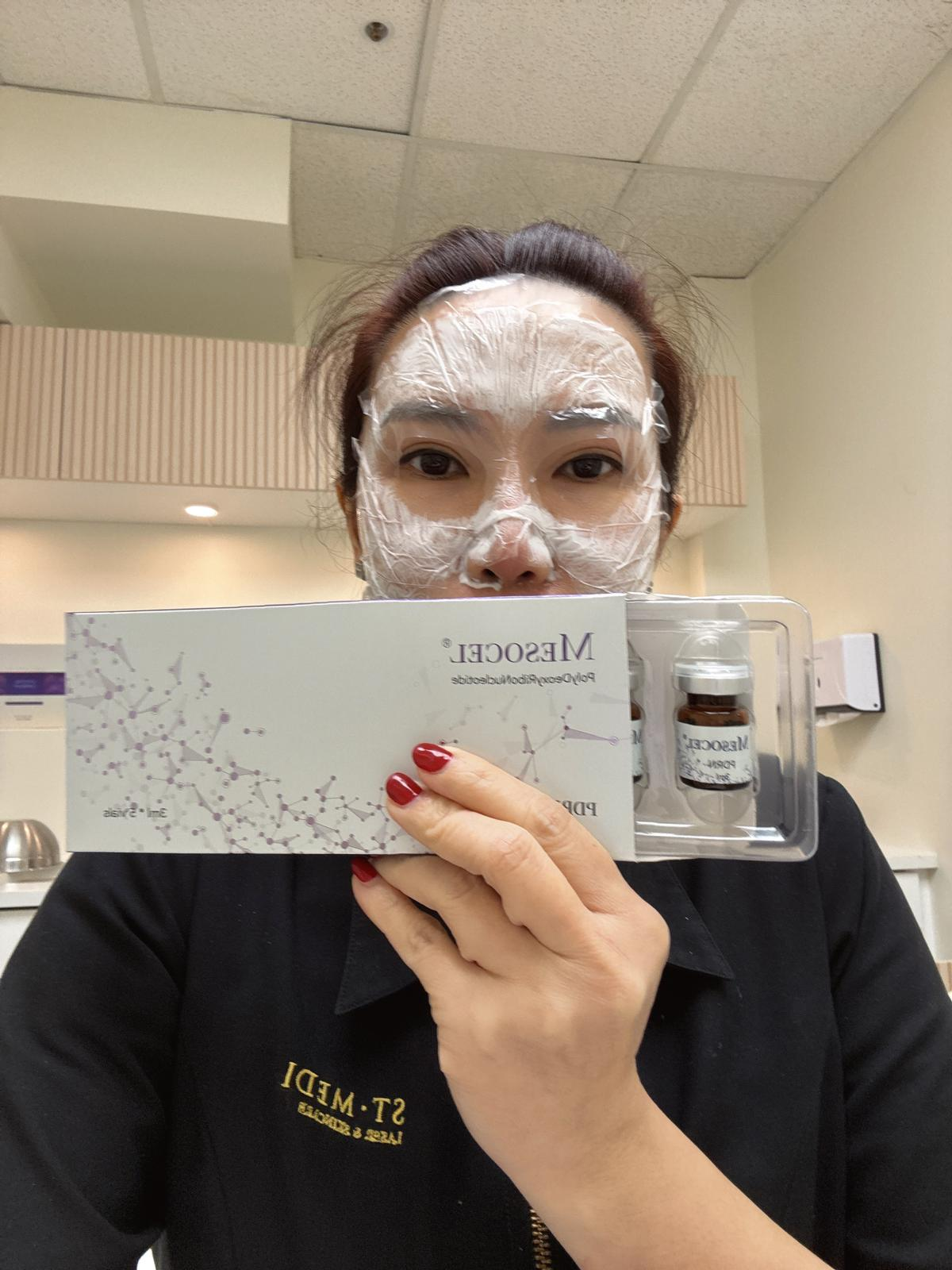
With the growing popularity of Salmon PDRN treatments, the market now offers a wide range of products—often with significant differences in quality. For clinics and distributors, selecting the right Salmon PDRN product is less about hype and more about understanding what truly affects performance and safety.
First, pay attention to the source and purification process of the PDRN. High-quality Salmon PDRN should be extracted from purified salmon DNA and processed to remove unnecessary proteins or impurities. A well-controlled purification process helps ensure consistency and reduces the risk of adverse skin reactions.
Formulation also matters. A reliable Salmon PDRN product should have a clear, stable composition, with appropriate concentration and supporting ingredients designed for skin regeneration. Overly complex formulations or unclear ingredient information may make it harder to predict clinical outcomes.
Another key factor is safety and quality control. Products manufactured in ISO 13485 and GMP-certified facilities guarantee lot-to-lot consistency and pyrogen-free sterility. For clinics, this translates into greater confidence when introducing the product into regular treatment protocols.
Finally, it is important to consider how a product performs in real clinical practice. High-quality Salmon PDRN products are valued not only for delivering visible treatment benefits, but also for their good tolerability and low incidence of adverse reactions when properly used. When treatment goals and before-and-after expectations are clearly communicated, patients tend to feel more confident in the process, and practitioners are better able to integrate Salmon PDRN treatments into their daily practice and patient education.
By focusing on quality, formulation transparency, and clinical reliability, Salmon PDRN becomes a long-term option that fits naturally into regenerative treatment plans—rather than a trend-driven product with uncertain results.
For clinics and distributors seeking a reliable supply, MESOCEL® PDRN offers a combination of product purity, formulation transparency, and manufacturing quality:
Source & Purification: Derived from purified wild salmon DNA using multi-stage protein decontamination (>99.9% purity) to minimize allergy risks.
Product Quality: Manufactured in ISO 13485 / GMP-certified facilities with strict batch-to-batch consistency and sterile compliance.
Formulation Transparency: Features an optimal 1,000–1,500 kDa molecular weight at physiological pH with zero undisclosed additives.
Clinical Reliability: Proven in daily practice to accelerate tissue repair, reduce laser/microneedling downtime, and stabilize combination results.

Salmon PDRN before and after results are not about dramatic reshaping. They’re about skin quality, recovery, and regeneration.
When positioned honestly, with real cases and proper protocols, Salmon PDRN becomes a treatment professionals trust—and patients return for.
If you’re building a regenerative aesthetics portfolio or expanding your PDRN product line, showcasing real Salmon PDRN before and after results is one of the most effective ways to communicate value to serious buyers.


