 |
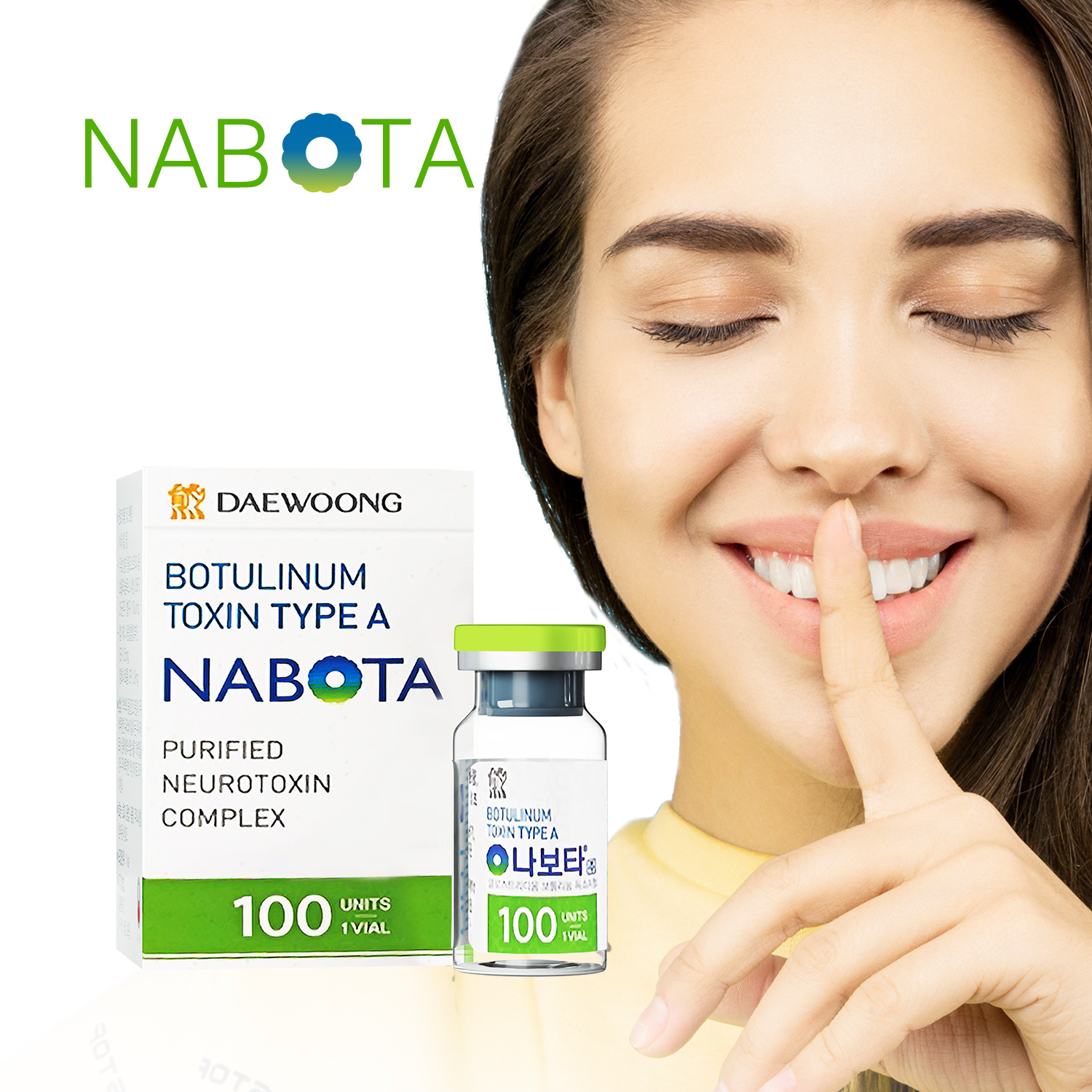
Botulax, Nabota, Sotorior, Rentox
Botulinum toxin type A works at the neuromuscular junction by temporarily reducing the release of acetylcholine from motor nerve terminals. This decreases excessive muscle contraction in the treated area. As muscle activity becomes less pronounced, dynamic wrinkles can appear softer, while selected muscle-related changes in facial contour may develop progressively.
Dermax supplies a range of botulinum toxin type A products for professional aesthetic applications, providing clinics and qualified practitioners with different product options for facial treatment planning.

Repeated contraction of certain muscles contributes to dynamic wrinkles. In other areas, relatively strong or enlarged muscles can influence the apparent width or contour of the face. This is particularly relevant in the lower face, where prominent masseter muscles may contribute to a wider or more angular appearance.
Botulinum toxin provides a way to address these muscle-related factors through temporary reduction of targeted muscle activity.
The resulting effect can be understood as:
Reduced nerve signaling → reduced muscle contraction → softer dynamic movement → gradual improvement in selected aesthetic concerns
The effect is temporary because nerve function gradually recovers and neuromuscular signaling is restored over time.
Dynamic wrinkles develop partly from repeated contraction of facial muscles over time.
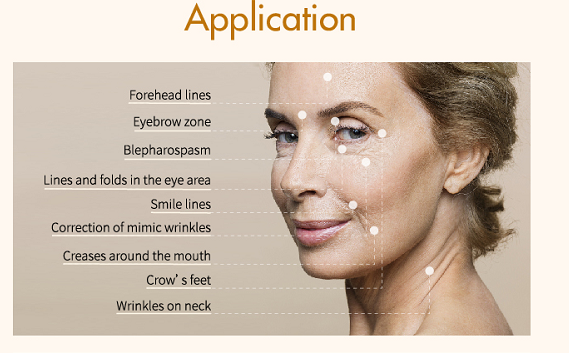
Common treatment areas include:
Forehead lines
Glabellar lines
Crow's feet
Selected perioral lines
Other expression-related wrinkles
The masseter muscles play an important role in chewing and can contribute significantly to the apparent width of the lower face when they are prominent.
In appropriately selected patients, reducing excessive masseter activity can gradually decrease muscle bulk. This may create a softer or narrower appearance in the lower face.
Facial asymmetry does not always originate from differences in bone or soft-tissue volume. Differences in muscle activity can also influence the apparent balance of facial features.
In selected cases, targeted botulinum toxin treatment may help reduce an imbalance caused by asymmetric muscle activity.
Dermax offers several botulinum toxin type A options for professional aesthetic applications. Different products may have different formulations, unit presentations, manufacturing characteristics, and practitioner familiarity.
Available options include:
Botulax® is a botulinum toxin type A product available in different unit presentations. It can be considered for aesthetic applications where practitioners require a familiar Type A formulation and flexible unit selection.
Nabota® is another botulinum toxin type A option available for professional aesthetic practice. Its established presence in aesthetic medicine makes it one of the products that practitioners may consider when selecting a Type A formulation.
Sotorior® is Dermax's own botulinum toxin type A brand, available in 100U and 200U presentations. It is positioned as a professional option for aesthetic practices seeking a combination of product quality and competitive supply pricing.
ReNTox® is available in 100U and 200U presentations and can be considered for different professional aesthetic treatment requirements.
Toxara™ is another botulinum toxin type A option supplied by Dermax for professional use.

Dermax provides botulinum toxin type A products for professional aesthetic practices and international B2B customers.
Our product range includes both established third-party brands and Dermax's own Sotorior® botulinum toxin, giving clinics and distributors multiple options when developing their product portfolio.
For professional buyers, the value of a supplier is not determined only by the product itself. Consistent product availability, appropriate packaging, documentation, communication, and responsive international supply support are also important considerations.
Dermax combines professional aesthetic product selection with competitive pricing, helping clinics, practitioners, and distributors source botulinum toxin products without making unnecessary compromises between product quality and purchasing efficiency.

Botulinum toxin for facial harmony refers to the selective use of botulinum toxin type A to reduce excessive facial muscle activity, soften dynamic wrinkles, and, in appropriate patients, refine muscle-related facial contours.
It may help in selected cases where differences in facial muscle activity contribute to visible asymmetry. However, asymmetry can have many causes, so anatomical assessment is important before treatment.
In appropriately selected patients, reducing the activity and bulk of prominent masseter muscles may create a narrower-looking lower-face contour.
No. The aesthetic objective is generally controlled reduction of excessive muscle activity rather than complete elimination of facial movement.
The duration varies according to the treatment area, dose, product, muscle activity, technique, and individual response. Patients are generally reassessed periodically as the effect gradually wears off.
Selection may depend on the treatment area, unit presentation, product documentation, practitioner familiarity, regulatory requirements, and the needs of the clinic or practice.